7 Benefits of Cold-Pressed Safflower Oil for Healthy Daily Cooking
Rich in unsaturated fats and vitamin E, cold-pressed safflower oil supports heart health and dynamic everyday cooking.
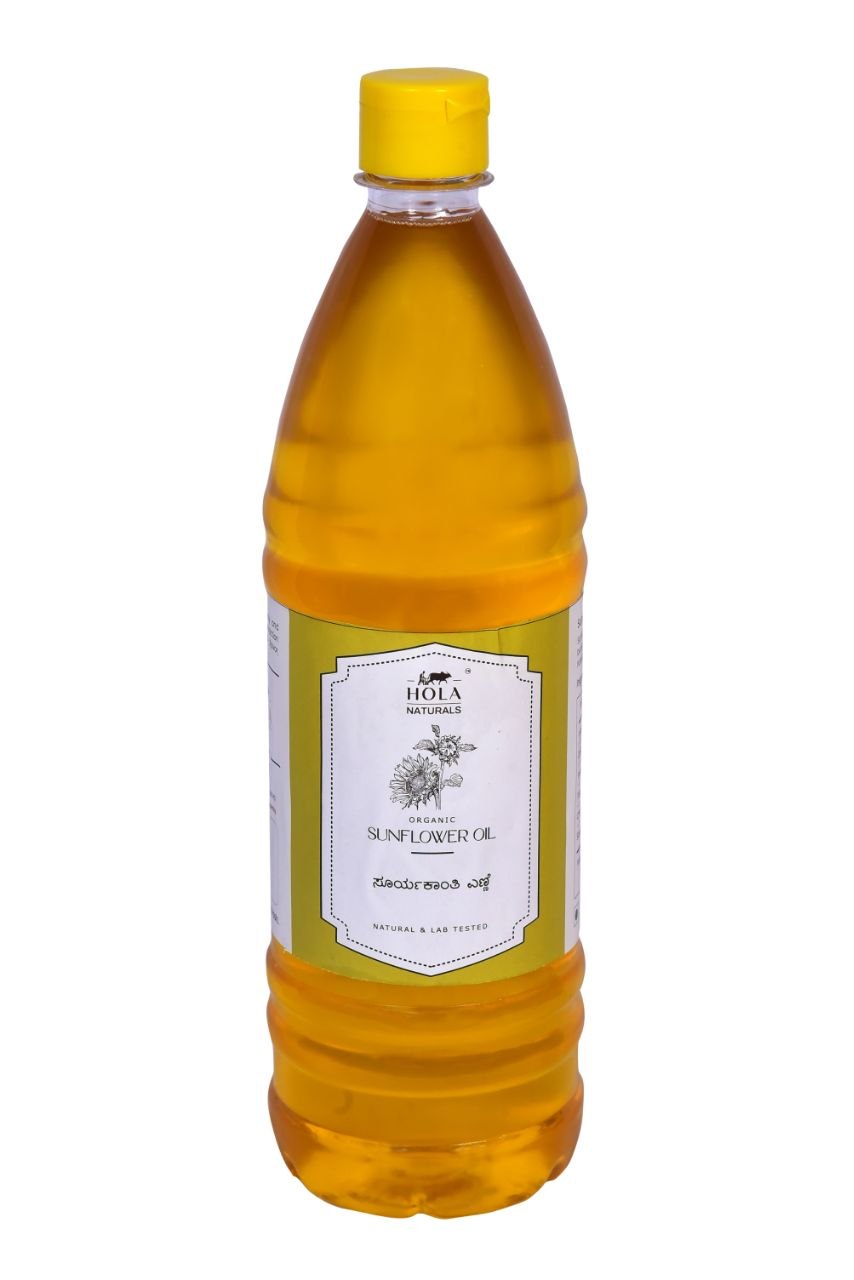
Choosing the right cooking oil is key for health and flavor. Safflower (Carthamus tinctorius) is a thistle-like plant cultivated for its seeds, which are pressed to extract a highly versatile culinary oil. Known traditionally in India as "kardai tel" or "kusube enne", it serves as an excellent pairing for daily curries, dals, and stir-fries. Because cold-pressed safflower oil is extracted mechanically at low temperatures without chemical solvents, it retains its natural antioxidants, light texture, and vital nutritional properties. In this article, we explore the top health and cooking benefits of cold-pressed safflower oil, its nutritional profile, how it differs from refined oil, and practical tips for using it in your kitchen.
In This Article
Key Benefits of Cold-Pressed Safflower Oil
Switching out heavily saturated fats like butter or palm oil for cold-pressed safflower oil can introduce multiple functional health improvements to your dietary lifestyle:
- Heart-Healthy Profile: It is packed with monounsaturated and polyunsaturated fats that directly support cardiovascular balance.
- Rich in Antioxidants: Delivers natural Vitamin E and protective flavonoids to neutralize cellular oxidation.
- High Smoke Point Stability: Perfect for deep-frying and high-temperature cooking without degrading or forming toxic compounds.
- Skin & Hair Nourishment: Contains dense linoleic acid levels that help lock in moisture and protect tissue health.
Nutritional Profile of Safflower Oil
Safflower oil serves as a clean source of pure, heart-healthy lipids. Below is a macro breakdown per single tablespoon serving:
| Nutrient Component | Value Per Tablespoon (13.6g) |
|---|---|
| Calories | 120 kcal |
| Monounsaturated Fat (Oleic Acid) | 10 - 11 g |
| Polyunsaturated Fat (Linoleic Acid) | 1 - 2 g |
| Saturated Fat | ~1 g (Very Low) |
| Vitamin E | 4.6 mg (≈30% Daily Value) |
| Cholesterol, Sodium & Sugar | 0% |
Cold-Pressed vs Refined Safflower Oil
The manufacturing process determines the true value of your cooking oil. Cold-pressed versions are extracted by slowly crushing seeds using traditional mechanical methods without additive chemical agents or excessive processing heat. This preserves the raw plant polyphenols that aggressively combat bodily inflammation.
In contrast, refined safflower oil undergoes extensive commercial chemical processing, including hexanoic oil extraction, alkaline neutralizing washes, bleaching clays, and intense deodorization heat exceeding 200°C. While this processing creates a shelf-stable and fully neutralized liquid, it tears away nearly 90% of the seed's natural vitamins and native flavor compounds.
Note: If you want to understand how traditional wood-pressed options differ from modern highly processed alternatives, explore our detailed companion breakdown on Cold-Pressed Oil vs Refined Oil - Which Is Better?
Deep-Dive Into Health and Wellness Advantages
1. Cardiovascular Support & Cholesterol Control
Safflower oil acts as a stellar driver for maintaining structural heart health. Clinical studies reveal that consistent consumption of plant-sourced unsaturated fats significantly decreases total cholesterol along with dangerous low-density lipoprotein (LDL) "bad" cholesterol levels. The inherent oleic acids assist in easing blood vessels, protecting blood pressure ranges, and optimizing healthy HDL/LDL ratios within the circulatory system.
2. Weight Management Assistance
While safflower oil is highly calorie-dense (~120 calories per tablespoon), its unsaturated fatty acids help satisfy hunger cravings by increasing digestive satiety. It also helps stabilize regular post-meal blood sugar levels by slowing carbohydrate processing. Using it deliberately in moderate amounts to replace heavy saturated animal fats can help enhance overall weight control strategies.
3. Cellular Protection via Vitamin E
A single tablespoon fulfills nearly 30% of your daily Vitamin E baseline requirement. As a fat-soluble antioxidant, Vitamin E shields your skin, immune cells, and internal tissues from progressive oxidative damage induced by UV rays, environmental pollutants, and free radicals.
4. Cosmetic Benefits for Skin and Hair
Because it boasts an incredibly lightweight consistency, safflower oil is directly absorbed by the body without blocking skin pores. When used topically, the dense linoleic acid layers help fortify the natural dermal barrier, lock in surface moisture, and nourish dry or sensitive scalps to decrease premature hair breakage.
Smoke Point and Versatility in Indian Cooking
High-oleic cold-pressed safflower oil exhibits an exceptionally high smoke point of 450°F to 500°F (230°C to 260°C). This matches or beats most refined vegetable alternatives, rendering it incredibly structurally stable across all cooking styles:
- Deep Frying & Tempering: Perfectly handles high-heat preparation like making pakoras or setting a traditional dal tadka without degrading or smoking.
- Everyday Sautéing: Allows natural spices like cumin, mustard seeds, and dried chilies to pop and shine cleanly due to its neutral flavor background.
- Baking & Dressings: Substitutes seamlessly for butter or olive oil when roasting fresh root vegetables or mixing light salad dressings.
Precautions & Considerations
Safflower oil is thoroughly safe for general consumption, but special groups should observe simple precautions:
- Bleeding Disorders: Safflower oil can subtly thin the blood. If you are taking anticoagulant medications or preparing for a clinical surgery, talk to a medical professional.
- Allergen Sensitivity: Individuals with severe allergies to specific plant seeds or thistles should perform a quick patch test prior to heavy dietary integration.
- Storage Guidelines: Always store cold-pressed oils in cool, dark storage conditions to shield unrefined fats from premature atmospheric oxidation.
Frequently Asked Questions (FAQs)
Q: What is safflower oil and where does it come from?
A: Safflower oil comes from the seeds of the safflower plant (Carthamus tinctorius). It’s been
grown for centuries in Asia and is now cultivated worldwide. The oil is extracted from the
seed pods and is popular for cooking due to its healthful fats.
Q: Can I use all types of safflower oil for deep frying?
A: The standard high-oleic cold-pressed variety has a massive 450°F+ smoke point ideal for frying. However, if you acquire a high-linoleic variety, it should remain raw and refrigerated to avoid breakdown under intense heat.
Q: Does safflower oil taste strong in traditional foods?
A: Not at all. It is uniquely light and neutral, ensuring that your culinary spices, aromatics, and true ingredient flavor profiles shine through completely.
Conclusion
Cold-pressed safflower oil offers a wonderful equilibrium of nutrient density, cardiovascular advantages, and high-heat cooking utility. From searing high-heat stir-fries to building deep hair conditioning treatments, it serves as an excellent all-around utility tool for clean, conscious living.
Ready to update your daily kitchen routine? Explore pure, chemical-free, wood-pressed options direct from the source by checking out Hola Naturals Cold-Pressed Safflower Oil today.